
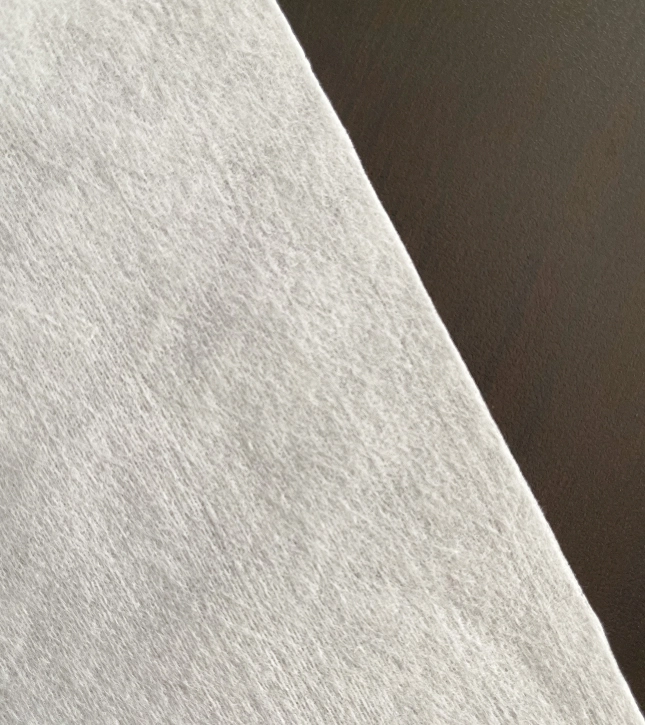
Professional Plain Spunlace Substrate for Wet Wipes & Dry Wipes
spunlace nonwoven full cross semi cross roll for wet wipe
View productPattern and construction are specifications, not decorative finishes. This reference collects the EF-1 attributes a converter needs before sampling: the ef pattern spunlace nonwoven fabric is listed from 50 to 150 gsm in roll widths of 4 to 160 cm, and its place inside the wider full cross spunlace nonwoven fabric family explains the stable weight, stable thickness and lint-free surface the page states.
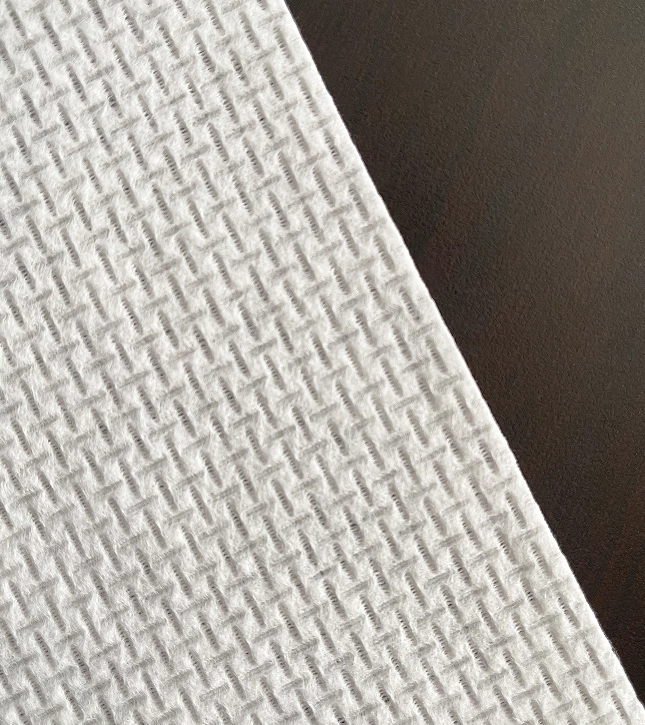
Every value below is the recorded product attribute for the EF pattern. Nothing here is rounded up or embellished, so you can copy the row you need straight into a material specification sheet.
| Product code | No.EF-1 |
|---|---|
| Pattern | EF pattern |
| Technology | Full-Cross |
| Composition | Viscose / Polyester / Bamboo |
| Gram weight | 50 – 150 gsm |
| Roll width | 4 – 160 cm |
| Finishing technology | Hydrophilic, Anti-static, Flame-retardant, etc. |
| Usage | Face wipes, makeup remover cotton, disposable bath towels, etc. |
Usage is also summarised elsewhere on the page as cleaning wipes and industrial wiping. The product attribute list above is the more specific statement — name your end use when you request a sample so the composition and finishing can be matched to it.
Full-Cross describes how the fibre web is bonded. High-energy water jets entangle the fibres through the thickness of the web and across both machine and cross directions, so the sheet is held together by fibre interlocking rather than by a chemical binder. That is why the EF pattern can be described on the same page as stable in weight and thickness and as lint-free in use.
The EF pattern is one member of that full-cross family. The construction sets the physical behaviour of the roll; the pattern sets the surface that meets the skin, the wipe or the converting line.

Two choices sit between the attribute table and a workable order: which fibre goes into the blend, and which finishing is applied afterwards. Each card names the decision you still own as the buyer.
The absorbent base most often specified when the substrate is going into face wipes or makeup remover cotton, and the one that shapes hand feel.
Confirm at sampling: the viscose share you need and the water absorption result measured against your material ratio.The strength-giving partner in the blend, useful when the roll has to survive a high-tension converting line or a heavy wipe-down duty.
Confirm at sampling: blend ratio plus the longitudinal and transverse tensile figures in dry and wet state.A plant-fibre option inside the same 50 – 150 gsm band, chosen by brands building a natural-fibre story around the finished pack.
Confirm at sampling: ratio, hand feel and how the EF pattern reads on the finished surface before you lock a packaging claim.The finishing to ask about for face wipes and makeup remover cotton, where the liquid has to move into the sheet quickly and evenly.
Confirm at sampling: the absorption test run on the actual blend, since the page ties water absorption testing to material ratio.Relevant when rolls run through unwind, slitting and folding equipment and static build-up disturbs the web on the line.
Confirm at sampling: trial the roll on your own converting equipment rather than accepting a lab statement.A finishing option for wiping applications where the substrate sits near heat or ignition sources, such as industrial wiping tasks.
Confirm at sampling: the exact standard your market requires, then have the finishing matched to it before production.These are the batch checks stated for this product line. They are the numbers to quote when your own quality team asks how incoming rolls will be verified.
Thickness is checked more than eight times per batch, which is what keeps the stable-thickness claim measurable rather than promotional.
Eight fabric samples are weighed per batch, on top of online weight monitoring during production.
Wear resistance is verified with 30 repeated friction tests per batch — the check that matters most for reusable-duty and industrial wiping.
Strength is measured longitudinal and transverse, dry and wet, with the tensile fracture rate recorded alongside.
The substrate is described as neutral pH with strong solution compatibility and skin-friendly behaviour — relevant when your lotion or cleanser sits in the pack.
Metal, stain and weight are monitored online during the run, so a defect is caught on the line rather than at final inspection.
Work backwards from what you are converting. Each scenario pairs a listed product fact with the decision that shapes your order.
Pick the gram weight your filler and stack height can carry, then request hydrophilic finishing on the viscose blend you prefer. Ask for the water absorption result for that ratio.
Your decision: gsm and wet strength target for the line speed you run.Lint matters more than loft here, because loose fibre ends up on the customer's face. Sample the pattern for surface feel, then confirm the lint performance on the exact blend you specify.
Your decision: viscose-heavy or blended composition, and the pad weight it must die-cut to.Set the roll width to your cutting layout to cut edge trim, and choose a weight near the top of the 50 – 150 gsm band if the towel has to feel substantial in hand.
Your decision: roll width and gsm band, balanced against freight cost per roll.Choose the finishing for the hazard in the workplace, not the price list, and ask for the friction test outcome for the batch you receive. Polyester content is the lever for tear resistance.
Your decision: finishing type and whether the roll must survive solvent or detergent chemistry.A sample request moves fastest when the five variables below are already decided. Each one maps to a recorded attribute for the EF pattern, so there is nothing left to guess at on our side.
Email: cniderts@gmail.com
Phone: +86 13506636326
Address: No.1 Meijing Road, Luoyang Town, Taishun County
Add your target gsm, roll width and finishing to the first message and the sample request can be quoted and prepared in one exchange rather than three.
Keep adjacent product options together for a faster catalog comparison.
spunlace nonwoven full cross semi cross roll for wet wipe
View product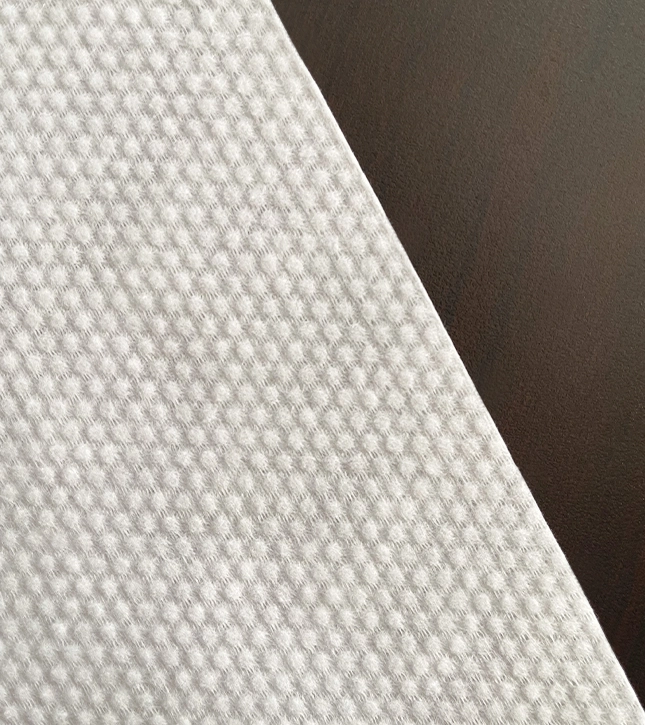
Dry/Wet Strength Testing Stab le Weight/ ThicknessLint-Free Composition:Viscose / Polyester / Bamboo Technology:Full-Cross / Semi-Cros Pattern:Plain(Printable) Gram weight:40 - 120 gsm Roll Width:4…
View product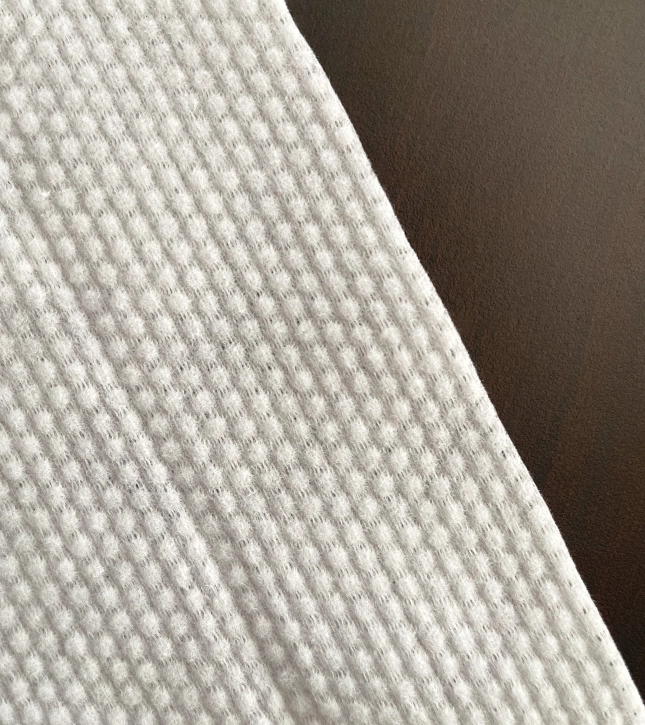
Dry/Wet Strength Testing Stab le Weight/ ThicknessLint-Free Composition:Viscose / Polyester / Bamboo Technology:Semi-Cross Pattern:Plain(Printable) Gram weight:40 - 120 gsm Roll Width:4 - 160 cm…
View productef-1 is the product code for the ef pattern, a spunlace non-woven substrate filed under the site's full-cross collection. its attribute record reads pattern: ef pattern and technology: full-cross, so it is a patterned member of the full-cross family rather than a standalone construction.
the listed range is 50 – 150 gsm for gram weight and 4 – 160 cm for roll width. that single range covers narrow slit rolls for pad converting and wide rolls for towel or wipe lines, all from the same ef pattern.
three options are recorded: viscose, polyester and bamboo. because water absorption is tested according to material ratio, the blend you choose changes the absorption result, so specify the ratio rather than only the fibre name.
hydrophilic, anti-static and flame-retardant finishing are listed, with further options covered by "etc." in the attribute record. hydrophilic suits face wipes and makeup remover cotton; anti-static and flame-retardant suit converting lines and industrial wiping duties.
thickness is tested more than 8 times per batch, basis weight on 8 fabric samples per batch, and wear resistance with 30 repeated friction tests per batch. tensile strength is measured longitudinal and transverse, dry and wet, with the tensile fracture rate recorded, and metal, stain and weight are monitored online during the run.
the substrate is described as neutral ph with strong solution compatibility and skin-friendly behaviour. its listed usage is face wipes, makeup remover cotton and disposable bath towels, while cleaning wipes and industrial wiping also appear in the page summary for the same pattern.

