
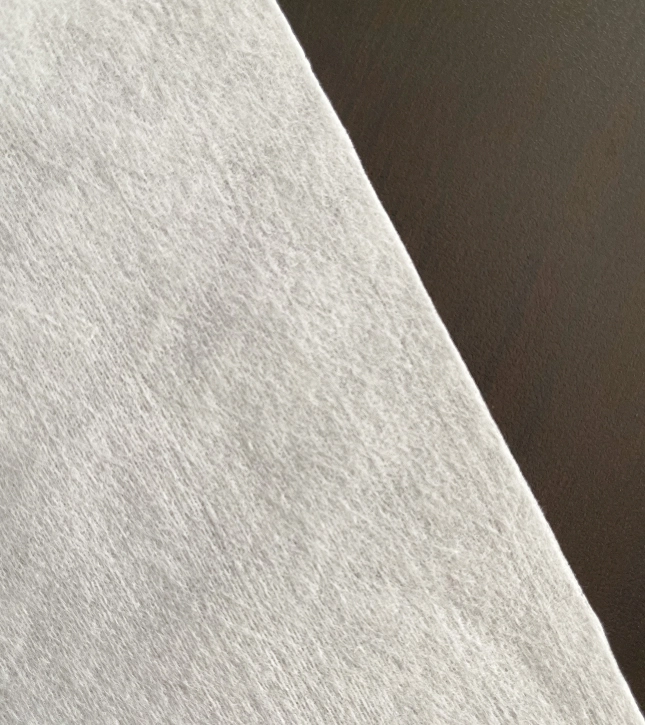
Professional Plain Spunlace Substrate for Wet Wipes & Dry Wipes
spunlace nonwoven full cross semi cross roll for wet wipe
View productIDER runs a full-cross line and indexes the whole pattern set — plain, large cross, medium cross, mini cross, mesh, triangle, twill and EF — as one comparable range of spunlace nonwoven fabric. If you are choosing embossed spunlace nonwoven fabric for face wipes, makeup remover cotton or disposable bath towels, compare pattern geometry, gram weight fit and end use here, then request samples of the structure you want to trial.
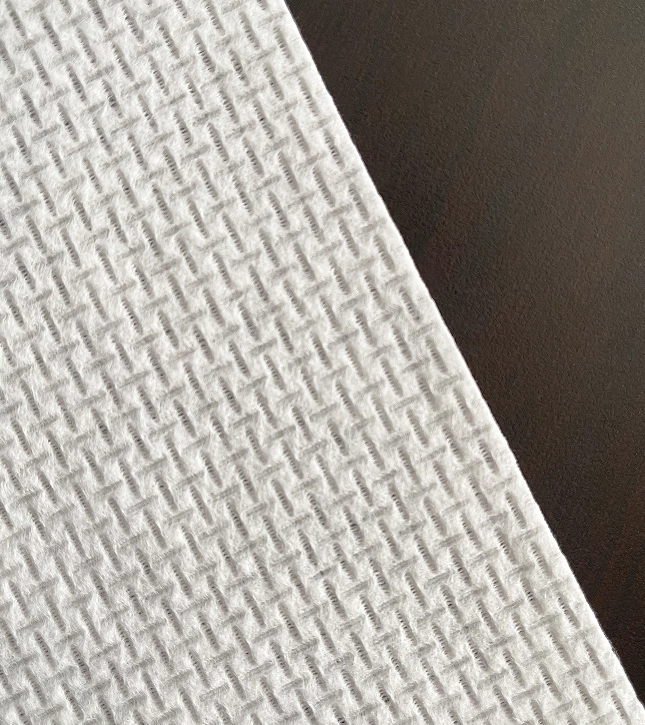
No.EF-1 is the pattern this page anchors on. The product page describes it as full-cross craftsmanship with a lint-free surface, stable weight and thickness, and dry and wet strength testing listed as a product attribute. The supplier also states that this is a pattern favored by high-end brands — a positioning claim from the maker, worth confirming on your own sample trial.
| Product number | EF-1 |
|---|---|
| Pattern | EF pattern |
| Technology | Full-cross |
| Composition | Viscose / Polyester / Bamboo |
| Gram weight | 50 – 150 gsm |
| Roll width | 4 – 160 cm |
| Finishing technology | Hydrophilic, anti-static, flame-retardant, etc. |
| Stated usage | Face wipes, makeup remover cotton, disposable bath towels, etc. |
All figures above are as published on the EF pattern product page; confirm the final specification for your order with the supplier before quoting your own line.
Pattern choice is not decoration. Every emboss is a map of bond points pressed into the web, and that map sets how much loft survives, where liquid can travel and how much surface friction the finished wipe presents to skin or to a converting roller. Use the three structures below as vocabulary for your sample request — then let the trial roll settle the difference.
A dense cross repeat, as used on the EF pattern. The close bond map is the reason a lint-free, weight-stable surface is claimed for this SKU — a good fit for face-contact products where loose fibre shows.
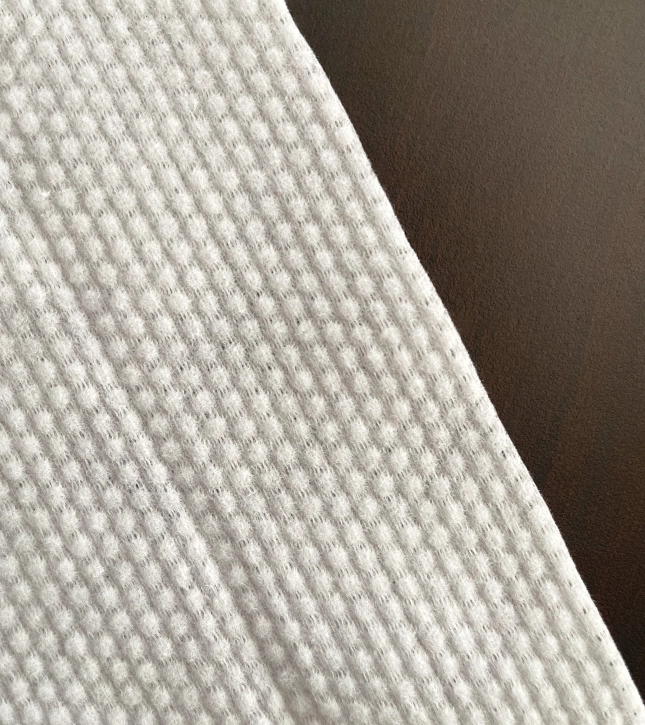
Fewer, larger bond points, as implied by the large and medium cross pages listed for increased friction. Fewer bond points generally leave more room for loft and a coarser hand — test it against your scrub or grip requirement.
Open-area mesh and diagonal twill are listed in the same collection. Where a downstream process leans on drainage, flow-through or a directional surface, ask for those structures specifically rather than assuming a cross pattern will behave the same.
Five common conversion jobs and the pattern worth sampling first. Each shortcut points back to a stated fact on the product pages, so you can open the detail page and check it in seconds.
The EF page states a lint-free surface and lists face wipes as a usage. If visible fibre on the wipe is a reject reason on your line, trial EF before a coarser cross.
Makeup remover cotton is named as a stated usage for EF-1, alongside the 50–150 gsm range that covers both a light pad and a fuller cotton.
Disposable bath towels are listed as a usage for EF. Set your gram weight inside 50–150 gsm against the towel’s wet strength target, then check the roll width you need inside 4–160 cm.
The plain page positions its substrate for wet wipes and dry wipes. When the emboss adds nothing to the finished product, a plain web keeps the surface uniform for lotion and packing.
Large cross and medium cross are both listed for increased friction. Choose large cross for a coarser bite, medium cross when the surface still has to feel acceptable on skin.
Hydrophilic, anti-static and flame-retardant finishing are offered on EF-1. Name the finishing you need with your pattern and gram weight so the sample arrives as a production-intent roll.
A pattern decision only holds if roll six looks like the sample. The supplier describes a batch control system covering raw-material traceability, online weight monitoring and factory must-inspection of dry and wet tensile strength.
The same account describes longitudinal and transverse tensile strength plus tensile fracture rate testing under dry and wet conditions, metal, stain and weight online monitoring, and a production team led by an engineer with more than 20 years of spunlace experience with 7x24h line coverage. Treat these as supplier statements and ask for the batch record that matches your order.
Sample requests move faster when the brief is complete: pattern (EF, large cross, medium cross or plain), gram weight inside 50–150 gsm, roll width inside 4–160 cm, and the finishing you need. Quote inquiries and bulk roll orders go through the same contact route.
Keep adjacent product options together for a faster catalog comparison.
spunlace nonwoven full cross semi cross roll for wet wipe
View product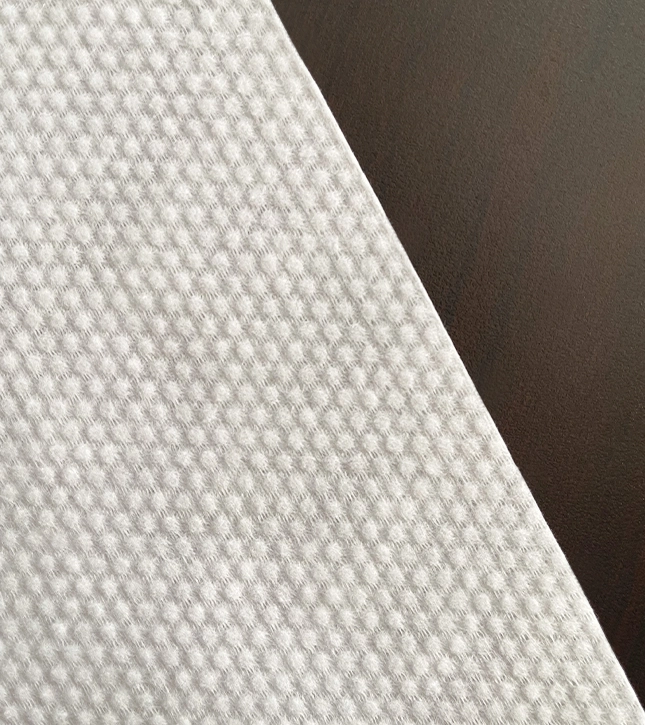
Dry/Wet Strength Testing Stab le Weight/ ThicknessLint-Free Composition:Viscose / Polyester / Bamboo Technology:Full-Cross / Semi-Cros Pattern:Plain(Printable) Gram weight:40 - 120 gsm Roll Width:4…
View productDry/Wet Strength Testing Stab le Weight/ ThicknessLint-Free Composition:Viscose / Polyester / Bamboo Technology:Semi-Cross Pattern:Plain(Printable) Gram weight:40 - 120 gsm Roll Width:4 - 160 cm…
View productthe ef pattern is product number ef-1, described on its product page as full-cross craftsmanship and positioned by the supplier as a pattern favored by high-end brands. full-cross refers to the bond geometry; the page also lists lint-free and stable weight and thickness as attributes.
the ef pattern is offered in viscose, polyester or bamboo, across a gram weight range of 50 to 150 gsm. confirm the exact fibre blend and weight for your order when you request samples.
the listed roll width range for ef-1 is 4 cm to 160 cm, so narrow slitting and wide parent rolls sit inside the same specification.
finishing technology options listed on the page are hydrophilic, anti-static and flame-retardant, among others. state the finishing you need together with pattern, weight and width so the sample matches production intent.
the product page lists face wipes, makeup remover cotton and disposable bath towels as usage examples. your own converting trial should confirm suitability for any other application.
send your pattern, gram weight, roll width and finishing requirement through the contact page to request material samples or a quote. the supplier states a 3–7 day flexible sampling window; lead times for bulk rolls are confirmed with the quotation.


